


Introduction
Waking up multiple times at night to urinate, struggling with a weak stream, or feeling like your bladder is not fully empty can become frustrating over time. These symptoms are commonly associated with benign prostatic hyperplasia (BPH), a non-cancerous enlargement of the prostate that can affect urinary function.
When symptoms begin to affect daily life, many men start exploring treatment options for BPH.
Rezūm therapy is one of several approaches that may be considered in selected patients, depending on individual assessment.
Understanding the cause of these symptoms is the first step toward appropriate management.
If you are considering treatment options for urinary symptoms, a consultation may help determine which approach is appropriate for your condition.
What is BPH (enlarged prostate)?
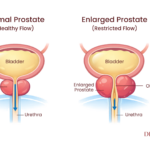
The prostate is a small gland located below the bladder. As men age, it can gradually increase in size.
This enlargement may place pressure on the urethra, which can interfere with the normal flow of urine.
Common Symptoms of an Enlarged Prostate
Symptoms may include:
- Frequent urination
- Waking up at night to urinate (nocturia)
- Difficulty starting urination
- A weak or interrupted urinary stream
- A feeling of incomplete bladder emptying
Not all men will experience symptoms, and the severity can vary.
When is Treatment Considered?
Treatment is not always necessary.
Management depends on:
- Severity of symptoms
- Impact on quality of life
- Clinical findings
Management of BPH depends on symptom severity and individual clinical findings.
Options may include:
- Lifestyle adjustments
- Medication to manage symptoms
- Minimally invasive treatments such as Rezūm
- Other surgical or procedural approaches where appropriate
A urologist can guide the most suitable option based on individual assessment.
At this stage, many men are weighing different treatment options and trying to understand which approach may be most appropriate for their symptoms and lifestyle.
What is Rezūm therapy for BPH?
Rezūm is a minimally invasive treatment used in selected patients with BPH.
It uses controlled water vapour (steam) to target excess prostate tissue that may be contributing to urinary symptoms.
Over time, the treated tissue is reabsorbed by the body, which may help improve urinary flow.
How does Rezūm therapy work?
The procedure uses a specialised device to deliver small amounts of steam directly into the prostate.
The energy released within the tissue leads to a reduction in excess prostate tissue over time.
The procedure does not involve surgical incisions.
Who may be suitable for Rezūm therapy?
Rezūm may be considered depending on:
- Prostate size
- Symptom profile
- Overall health
- Individual clinical assessment
Not all patients are suitable, and alternative treatment options may be recommended based on findings.
What should you consider before treatment?
Before proceeding with any treatment, it is important to understand:
- The expected recovery process
- The possibility of temporary urinary symptoms after treatment
- That response to treatment may vary between individuals
A consultation allows for a tailored approach based on your specific condition.
When should you see a urologist for BPH symptoms?
You may benefit from specialist input if you experience:
- Persistent or worsening urinary symptoms
- Interrupted sleep due to urination
- Difficulty emptying the bladder
- Noticeable changes in urinary flow
These symptoms can have multiple causes, and an assessment helps guide appropriate management.
In Summary
An enlarged prostate is a common condition, and a range of management options are available depending on symptom severity and individual clinical findings.
Rezūm therapy is one of several minimally invasive options that may be considered in appropriate cases following assessment.
If your symptoms are persistent or beginning to affect your quality of life, a consultation may help determine the most suitable approach.
If you are experiencing ongoing urinary symptoms, a specialist assessment may help clarify the cause and guide appropriate management.
Disclaimer
This content is for informational purposes only and does not replace professional medical advice. Individual assessment is required to determine appropriate treatment.